
Translation services for Medical Device Manuals UK are critical for ensuring that patients from diverse linguistic backgrounds can safely and effectively understand and use medical devices. These specialized translation providers must have a deep understanding of both the medical and technical terminology to deliver accurate and legally compliant translations, adhering to standards such as ISO 17100 and meeting regulations set by the Medicines and Healthcare products Regulatory Agency (MHRA). By offering precise and clear translations that account for cultural nuances, these services help prevent misunderstandings and potential misuse of medical devices, thereby safeguarding patient safety and upholding the integrity of the healthcare system in the UK. This commitment to excellence in translation is essential for maintaining the efficacy and safety of medical treatments and is a cornerstone in the trust patients place in medical device manufacturers and healthcare providers.
In an increasingly interconnected world, medical devices play a pivotal role in healthcare systems. Ensuring these devices are used safely across diverse linguistic environments is paramount. This article delves into the critical intersection of translation services and medical device safety, with a particular focus on the UK context. We explore how precise translations of medical device manuals can mitigate language barriers, adhere to stringent regulatory standards, and ultimately safeguard patient well-being. By examining the importance of professional translation services in this specialized field, we underscore strategies for overcoming potential misinterpretations that could compromise device functionality. Through case studies and best practices, this piece highlights the indispensable role of accurate translations in enhancing medical device usability and compliance, ensuring that users receive clear, safe, and effective guidance in their native languages.
- Understanding the Role of Translation Services in Medical Device Safety
- The Importance of Accurate Translations for Medical Device Manuals in the UK
- Language Barriers and Their Impact on Medical Device Usage Safety
- Regulatory Compliance: Adhering to UK and EU Medical Device Regulations through Translation
- Enhancing Patient Safety with Multilingual Instructions for Medical Devices
- The Consequences of Misinterpretation in Medical Device Manuals
- Case Studies: Translation Errors Leading to Device Malfunction or Misuse
- The Role of Professional Translation Services in Risk Mitigation
- Strategies for Effective Translation of Complex Medical Device Documentation
- Selecting a Reliable Translation Service Provider for Medical Device Manuals in the UK
Understanding the Role of Translation Services in Medical Device Safety
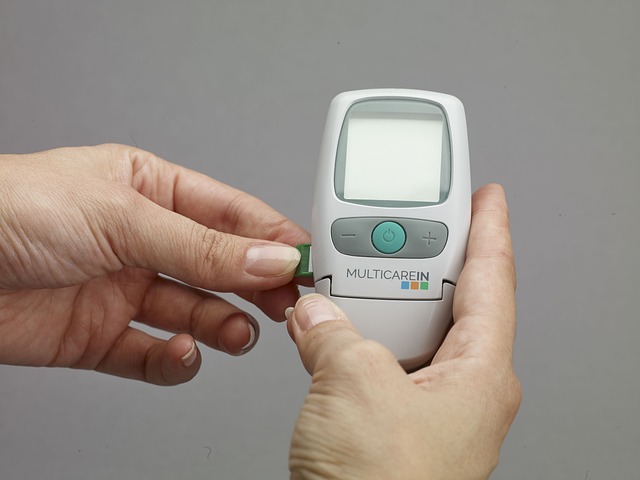
In the context of medical device safety, the role of translation services for medical device manuals in the UK cannot be overstated. Accurate translations of these manuals are indispensable for ensuring that healthcare providers and patients across different linguistic backgrounds can comprehend the instructions and safety information associated with the use of medical devices. A misinterpretation due to a mistranslation could lead to incorrect device usage, potentially resulting in adverse outcomes or compromised patient safety. Translation services specialising in medical terminology provide precise renditions of device manuals into the languages most commonly spoken within the UK, thus making it possible for users to follow operational guidelines correctly and maintain the integrity of clinical procedures. These translations must be not only linguistically accurate but also culturally sensitive, taking into account regional variations in medical practices and terminology. This commitment to clarity and precision is a cornerstone of patient safety and a testament to the responsibility of manufacturers who operate within the UK’s diverse linguistic landscape. By leveraging professional translation services for medical device manuals, healthcare providers can offer a safer environment for their patients, ensuring that every user has access to clear and understandable instructions, thereby minimising the risk of misuse and enhancing the overall safety and effectiveness of medical devices in clinical settings.
The Importance of Accurate Translations for Medical Device Manuals in the UK
Accurate translations play a pivotal role in ensuring that medical device manuals are comprehensible and safe for users in diverse linguistic environments, such as the UK. The stakes are particularly high when it comes to medical devices, where incorrect usage can lead to adverse health outcomes or even life-threatening situations. Utilizing professional translation services for Medical Device Manuals UK is essential to bridge the communication gap between manufacturers and end-users who may not speak the device’s primary language. These services employ expert translators with specialized knowledge in both medical terminology and the nuances of the target language, which is crucial for maintaining the integrity of instructions and safety information. By ensuring that every user, regardless of their native language, can understand how to operate a medical device correctly, these translation services significantly contribute to enhancing device usage safety. This not only safeguards patient welfare but also ensures compliance with stringent regulatory requirements set by bodies like the Medicines and Healthcare products Regulatory Agency (MHRA) in the UK. In this context, the accuracy of translations for medical device manuals is not just a matter of effective communication but a critical component of patient safety and healthcare quality assurance. Therefore, selecting reputable translation services for Medical Device Manuals UK that offer precision and expertise is paramount for all stakeholders involved in the global medical device industry.
Language Barriers and Their Impact on Medical Device Usage Safety

Accurate translations play a pivotal role in ensuring medical device usage safety, particularly within diverse linguistic environments such as the UK. Language barriers can pose significant risks when patients or healthcare providers interact with medical devices without fully understanding their operation and potential hazards due to insufficient language support. The importance of having reliable translation services for Medical Device Manuals UK cannot be overstated; it ensures that users receive critical information about device functions, proper usage, maintenance requirements, and safety precautions in a language they understand fluently. This is crucial because misinterpretation or mistranslation can lead to incorrect usage, which may result in malfunctions, improper treatment, or even harm to patients. Moreover, the translation must maintain technical accuracy to convey all necessary instructions without ambiguity. High-quality translations are not just a matter of clarity; they are integral to the safety and efficacy of medical devices across the UK, where a significant proportion of the population may not speak English as their first language. The provision of precise and idiomatically appropriate translation services for Medical Device Manuals UK is thus an essential component in the healthcare arsenal, safeguarding users from preventable complications and enhancing the overall reliability and safety of medical devices.
Regulatory Compliance: Adhering to UK and EU Medical Device Regulations through Translation
Accurate translations play a pivotal role in ensuring regulatory compliance for medical devices within the UK and EU, where adherence to the Medical Device Regulations (MDR) is paramount. The UK’s MHRA (Medicines and Healthcare products Regulatory Agency) and the EU’s EudraLex are the authoritative bodies that dictate the standards for medical device manuals. These regulations stipulate that all medical devices must be accompanied by instructional materials in languages that are readily understandable by users in each member state. Translation services specialising in medical device manuals for the UK market are instrumental in this process, as they provide precise translations that convey not only the technical information but also the safety and usage instructions without ambiguity. The use of professional translation services ensures that manufacturers comply with these regulations, thereby safeguarding users from potential harm due to misuse or misunderstanding of the device. This not only protects patient safety but also shields manufacturers from legal liabilities associated with non-compliance. By leveraging expertise in medical device manual translations, companies can navigate the complex multilingual landscape of the UK and EU markets effectively, ensuring that their products are accessible and safe for all users.
Enhancing Patient Safety with Multilingual Instructions for Medical Devices
In today’s interconnected world, healthcare providers operate in a multicultural environment where patient safety remains paramount. Accurate translations of medical device manuals, facilitated by specialist translation services for Medical Device Manuals UK, play a crucial role in ensuring that all patients, regardless of their language proficiency, can safely use medical devices. The inclusion of multilingual instructions transforms these guides from static documents into dynamic tools that empower patients to understand the correct usage and potential risks associated with medical equipment. This not only aids in preventing misuse or malfunctions but also reduces the likelihood of adverse events caused by user error, thereby enhancing overall patient safety.
Furthermore, the provision of precise translations for medical device manuals in the UK is not just about compliance with legal requirements; it’s an essential aspect of patient care. Professional translation services that specialise in medical terminology ensure that the nuances and complexities of medical language are conveyed accurately across different languages. This meticulous approach to language translation helps bridge communication gaps, fostering a safer healthcare environment for all patients, irrespective of their linguistic background. By leveraging the expertise of these services, healthcare providers can uphold the highest standards of patient safety, ensuring that every individual has access to clear and safe instructions for their medical devices, thereby reducing the potential for confusion or mishaps.
The Consequences of Misinterpretation in Medical Device Manuals

The precision with which medical device manuals are translated from one language to another can have profound implications on user safety and the efficacy of the devices themselves. In the UK, where diversity in languages is prevalent, translation services for Medical Device Manuals play a critical role in ensuring that users fully comprehend the instructions, warnings, and specifications necessary for safe device operation. Misinterpretation of these documents can lead to incorrect usage, which may result in malfunctions or adverse effects. For instance, if a crucial step in device maintenance is mistranslated, it could compromise the integrity of the equipment, potentially leading to patient harm or device failure. It is imperative that medical device manuals are accurately translated into the target language by professionals well-versed in both the source and target languages, as well as the technical terminology specific to medical devices. This not only aids in the correct handling and application of the device but also fulfills legal requirements for safety and compliance set forth by regulatory bodies such as the Medicines and Healthcare products Regulatory Agency (MHRA) in the UK. Utilizing specialized translation services ensures that all instructions are clear, precise, and accurately conveyed to the end-user, thereby minimizing the risk of misuse and enhancing device safety.
Case Studies: Translation Errors Leading to Device Malfunction or Misuse
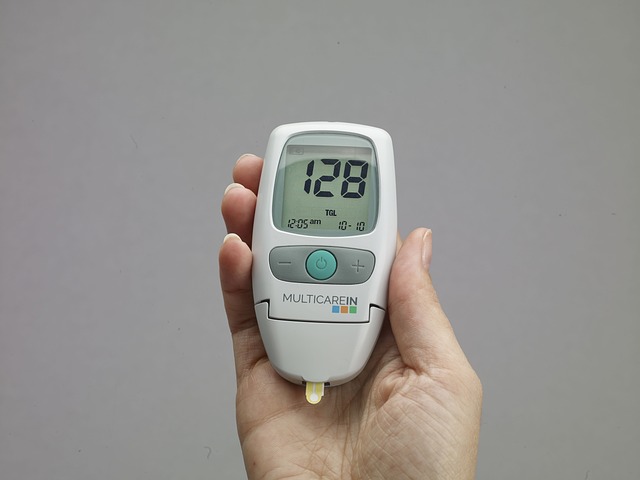
In the realm of medical device usage, the accuracy of translations in manuals is paramount for ensuring patient safety and effective treatment. Case studies have illustrated the dire consequences of translation errors within medical device manuals. For instance, a mistranslated instruction manual led to the incorrect assembly of a vital piece of equipment, resulting in malfunction and potentially hazardous conditions for patients. In another case, a critical warning sign was misrepresented due to poor translation quality, which could have had catastrophic outcomes had it not been caught during a pre-use check by a bilingual technician. These instances underscore the importance of employing reliable translation services for Medical Device Manuals UK, where precision and clarity are not just preferred but essential. The use of professional translators who specialize in both medical and technical terminology is crucial to bridge language barriers without compromising on safety or usability. As such, medical device companies must prioritize the investment in high-quality translation services to ensure that users across the UK can understand and safely operate their devices, thereby avoiding preventable accidents and ensuring compliance with regulatory standards.
The Role of Professional Translation Services in Risk Mitigation
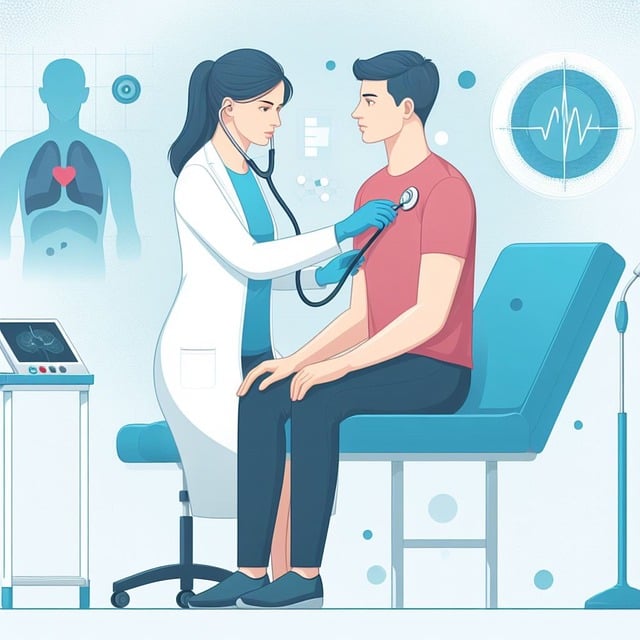
In the context of medical device usage, safety is paramount, and this extends to ensuring that users can comprehend the instructions and manuals provided with these devices. Professional translation services play a pivotal role in risk mitigation by offering accurate translations for medical device manuals in the UK. These services are equipped with expert linguists who specialize in medical terminology, thereby bridging the communication gap between manufacturers and users from diverse linguistic backgrounds. By providing precise translations, these services help to prevent misunderstandings that could lead to incorrect use of devices, potentially averted accidents or misdiagnosis due to improper operation. The translation process must adhere to stringent quality standards, utilizing advanced technology and human expertise to guarantee that the translated content is not only linguistically correct but also medically accurate. This ensures that the end-user receives information that aligns with global safety regulations and best practices, ultimately contributing to safer device usage across multilingual regions like the UK.
The accuracy of professional translation services is not just about converting text from one language to another; it encompasses a deep understanding of cultural nuances and regulatory requirements. In the UK, where a significant portion of the population speaks English as a second language and where medical devices are subject to rigorous standards set by bodies like the Medicines and Healthcare products Regulatory Agency (MHRA), the importance of precise translations cannot be overstated. These translations ensure that users can navigate their devices safely, understand all safety features, and correctly follow maintenance procedures. This level of clarity and accuracy in translation is crucial for maintaining the integrity of medical device usage and for upholding the trust users place in these life-saving tools.
Strategies for Effective Translation of Complex Medical Device Documentation

In an era where medical devices play a pivotal role in healthcare, the accuracy and clarity of their documentation are paramount, especially for patients and healthcare providers who may not speak the device’s original language. To ensure patient safety and regulatory compliance, translation services for Medical Device Manuals UK must employ robust strategies when tackling complex medical device documentation. Firstly, it is imperative to engage with translators who possess subject matter expertise in both medicine and the technical aspects of medical devices. This dual competence ensures that nuanced language and intricate details are conveyed accurately across languages. Secondly, the translation process should involve a multi-step approach, starting with a precise source text creation by the original device manual authors. Subsequently, the chosen translators must work in tandem with technical experts to verify the translation for medical terminology and device function descriptions. This collaborative effort minimises the risk of misinterpretation or errors that could compromise safety during device usage. Finally, employing advanced translation technologies and software that are specifically designed for medical devices can streamline the process while maintaining high standards of accuracy and consistency. These tools assist translators by providing context-sensitive suggestions and memory functions to maintain terminology uniformity throughout the documentation. By integrating these strategies, translation services for Medical Device Manuals UK can significantly enhance device usage safety through clear, accurate, and reliable translations.
Selecting a Reliable Translation Service Provider for Medical Device Manuals in the UK
When it comes to medical devices, clarity and accuracy are paramount, especially in patient safety and regulatory compliance. In the UK, where a diverse population demands access to clear healthcare information in their preferred language, selecting a reliable translation service provider for medical device manuals becomes crucial. A competent provider specializing in translation services for Medical Device Manuals UK must possess a deep understanding of both the source and target languages, as well as the medical terminology unique to this sector. This proficiency ensures that the translations convey the necessary safety information accurately without ambiguity or misinterpretation. The chosen service should adhere to stringent quality standards, such as ISO 17100, which is specific to medical device industry translations. It must also be well-versed in UK regulations and guidelines for medical devices, like those set forth by the Medicines and Healthcare products Regulatory Agency (MHRA). By doing so, manufacturers can confidently distribute manuals that are not only compliant with legal requirements but also user-friendly, thereby enhancing device usage safety. The translation service provider’s ability to deliver consistent, high-quality translations across all user interfaces and documentation is essential for maintaining the integrity of medical devices in the UK market. This reliability and precision in translation not only protect patient safety but also uphold the manufacturer’s reputation and trustworthiness within the healthcare community.
In conclusion, the interface between translation services and medical device manuals in the UK is a critical one that directly impacts user safety. Accurate translations are not just a matter of clarity but a fundamental aspect of regulatory compliance and risk mitigation within the healthcare sector. As outlined in this article, understanding and overcoming language barriers is paramount to ensuring patients and healthcare providers can safely operate medical devices. By leveraging professional translation services for medical device manuals in the UK, manufacturers not only adhere to stringent UK and EU medical device regulations but also enhance patient safety through clear and precise multilingual instructions. It is imperative that any translation service provider tasked with this important work possesses both the technical expertise and linguistic proficiency necessary to translate complex medical documentation accurately. Doing so prevents misinterpretation, minimizes the risk of device malfunction or misuse, and ultimately safeguards patient well-being. The strategies for effective translation outlined herein serve as a roadmap for achieving these goals and should be a priority for all medical device manufacturers operating in the UK market.