
Translation services for Medical Device Manuals in the UK are crucial for ensuring that healthcare providers and patients can operate and maintain medical devices safely. These specialized translation services must be precise and accurate to comply with local regulatory standards such as those set by the MHRA and EMA, and to prevent misinterpretation or misuse due to language barriers. The translation process should involve native-speaking linguists with expertise in both medical terminology and regulatory documentation to provide clear, contextually relevant translations that maintain the integrity of safety warnings and procedural instructions. By leveraging advanced neural machine translation models and thorough quality assurance processes, these services not only facilitate accurate communication but also help medical device manufacturers meet compliance standards, expand their market reach, and most importantly, safeguard patient care across the UK. This highlights the paramount importance of professional translation services in the success and regulatory compliance of medical devices within this market.
In an era where global healthcare advancements are rapidly advancing, ensuring that medical device manuals are accessible and safe for all users transcends language barriers. This article delves into the pivotal role of precise translation services in the UK for medical device manuals, emphasizing how accurate translations can significantly enhance device usage safety. We explore the nuances of regulatory compliance, the critical impact on user comprehension, and the cultural intricacies embedded within medical language. By examining the dire consequences of misinterpretation and the rigorous quality assurance processes in translation services, we underscore the importance of these practices in safeguarding patient care. Through case studies and technological insights, this article provides a comprehensive guide to best practices for selecting a reliable provider of translation services for medical device manuals in the UK, ensuring clear, accurate, and safe communication across all languages.
- The Role of Precision in Medical Device Translation Services
- Understanding Regulatory Compliance for Medical Device Documentation in the UK
- The Impact of Accurate Translations on User Comprehension and Safety
- Cultural Nuances in Medical Language and Their Importance in Translation
- The Consequences of Misinterpretation in Medical Device Instructions
- How Quality Assurance in Translation Processes Affects Usage Safety
- Case Studies: Successful Implementations of Translation Services for Medical Devices
- Integrating User Feedback to Improve Translation Accuracy for Medical Devices
- Technological Advancements in Translation Services and Their Benefits for Medical Devices
- Best Practices for Selecting a Translation Service Provider for Medical Device Manuals UK
The Role of Precision in Medical Device Translation Services
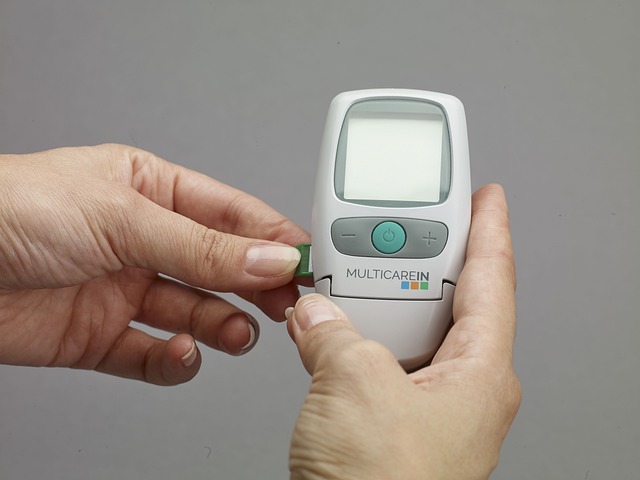
Accurate translations play a pivotal role in the realm of medical device usage, particularly within the UK context. The precision afforded by specialized translation services for Medical Device Manuals UK is not merely a matter of semantics; it is integral to patient safety and regulatory compliance. These devices, essential tools in healthcare settings, often come with intricate manuals that detail their operation, maintenance, and proper use. Misinterpretation or mistranslation of critical instructions can lead to improper handling, which may compromise the efficacy of treatment or even cause harm. Therefore, the translation services engaged for Medical Device Manuals UK must possess a deep understanding of both language nuances and medical terminology. They must accurately convey the original content’s intent, ensuring that healthcare professionals and patients alike receive clear, unambiguous guidance, thereby enhancing the safety and effectiveness of device usage across the UK.
The translation services for Medical Device Manuals UK must adhere to stringent standards, reflecting the high stakes involved in medical care. Translators are not just bridging linguistic gaps but are also responsible for safeguarding against potential misuse or malfunction due to misunderstandings arising from poor translations. This is especially critical given the multilingual nature of the UK, where patients and healthcare providers may require information in a language other than English. By ensuring that all technical documentation is precise and accurate, these translation services contribute significantly to maintaining the highest standards of safety and care within medical device usage, thereby fostering trust in both the devices and the instructions provided.
Understanding Regulatory Compliance for Medical Device Documentation in the UK

Accurate translations play a pivotal role in ensuring device usage safety, particularly within the medical field where precision and clarity are paramount. In the UK, regulatory compliance for medical device documentation is stringently enforced to protect patient safety and maintain public health standards. The Medicines and Healthcare products Regulatory Agency (MHRA) dictates that all medical device manuals provided to users in the UK must be translated accurately into English or the language of the intended user population. This mandate underscores the importance of employing reliable translation services for Medical Device Manuals UK, as the stakes are high and potential risks significant. Translators must not only possess a deep understanding of the technical terminology inherent to medical devices but also be adept at navigating the nuances of regulatory requirements. This ensures that users can comprehend the instructions, safety information, and maintenance protocols in a language they fully understand, thereby enhancing the safe operation of these devices. The translation services for Medical Device Manuals UK must adhere to the highest standards of linguistic accuracy and regulatory compliance to meet the MHRA’s strict guidelines, which are essential for the protection of patients and users.
The Impact of Accurate Translations on User Comprehension and Safety

Accurate translations play a pivotal role in ensuring user comprehension and safety, particularly when it comes to medical device manuals in the UK. The precision of translation services for Medical Device Manuals UK can bridge language barriers, providing users with clear and exact instructions on how to operate and maintain their devices safely. When users understand the manual without ambiguity, they are less likely to misuse the device, which is crucial given the sensitive nature of medical equipment. Translators specializing in medical terminology and device functions ensure that every warning, procedure, and safety note is conveyed with utmost accuracy across different languages. This not only enhances user experience but also significantly reduces the risk of malfunction or misdiagnosis due to misunderstandings arising from language barriers. As a result, patients receive effective treatment while medical professionals rely on dependable equipment, both of which are essential for optimal health outcomes. The implications of this are profound; accurate translations can mean the difference between safe and efficient device usage and potential harm or inefficacy, highlighting the importance of expert translation services within the healthcare sector. In the UK, where a diverse population requires access to medical information in their preferred language, the need for these reliable translation services is paramount.
Cultural Nuances in Medical Language and Their Importance in Translation

In the realm of medical devices, precision in communication is paramount, especially when it comes to user manuals that accompany these products. The translations of medical device manuals must account for cultural nuances inherent in medical language, as a misstep can lead to misunderstandings with potentially severe consequences. Medical terminology often carries specific connotations and implications that may not translate directly or universally. For instance, the term ‘pain’ in English is used commonly but varies widely in its interpretation across different cultures, which can significantly impact patient reporting and healthcare provider responses. Thus, translation services for Medical Device Manuals UK must be adept at navigating these complexities to ensure that users receive clear, accurate, and safe instructions tailored to their cultural context. This is where specialized translation services excel, providing nuanced translations that respect both the source and target language idioms and medical terminology. By doing so, they guarantee that users in the UK, or any region, can understand and safely use medical devices, thereby reducing the risk of misuse and enhancing device usage safety. This attention to detail is crucial for compliance with regulatory standards and for fostering trust between patients, healthcare providers, and manufacturers.
The Consequences of Misinterpretation in Medical Device Instructions

Accurate translations are paramount in medical device manuals, particularly within the UK context, where translation services for Medical Device Manuals are critical to ensure patient safety and compliance with regulations. Misinterpretation of instructional content due to inaccurate translations can lead to misuse or improper handling of devices, which could have severe consequences for patient health. The complexity of medical devices often necessitates precise language to convey instructions clearly; any deviation in translation can result in errors that compromise the efficacy and safety of the device. For instance, a mistranslated step in sterilization procedures or a miscommunicated warning about device contraindications could lead to equipment being used incorrectly, potentially causing harm to patients. This underscores the importance of employing specialist translation services that have expertise in both medical and technical terminologies. By providing clear and accurate translations, these services help bridge language barriers without introducing ambiguities or misunderstandings, thus minimizing the risk of misuse and ensuring that healthcare professionals and patients receive the full benefits of the devices intended for their use. The stakes are high when it comes to medical device usage, making the reliability of translation services a critical aspect of safety and efficacy in healthcare settings.
How Quality Assurance in Translation Processes Affects Usage Safety

In the realm of medical device usage, where precision and clarity are paramount, quality assurance in translation processes plays a critical role in ensuring user safety. High-quality translation services for Medical Device Manuals UK are not merely about converting text from one language to another; they encompass a comprehensive approach that involves expert linguists with specialized knowledge in medical terminology, rigorous validation checks, and the application of advanced technology to maintain the integrity of the content across different languages. This meticulous process is essential to provide users with accurate information that can prevent misuse or errors in device operation, thus safeguarding patient safety and adhering to stringent regulatory standards.
The impact of accurate translations extends beyond mere comprehension; it is about aligning the user’s understanding with the intended use of the medical device. A single mistranslation could lead to incorrect handling or misinterpretation of instructions, potentially leading to device malfunction or patient harm. Therefore, translation services for Medical Device Manuals UK that prioritize quality assurance are indispensable in ensuring that all users, regardless of their linguistic background, can operate medical devices safely and effectively. This commitment to quality ensures that the translations are not only understandable but also technically precise, thereby minimizing the risk associated with device usage.
Case Studies: Successful Implementations of Translation Services for Medical Devices

In the realm of medical device usage, safety and clarity are paramount. Accurate translations of medical device manuals in the UK are crucial for ensuring that healthcare providers and patients can operate these devices safely and effectively. A case study exemplifying this is the implementation of translation services by a leading medical device manufacturer, which facilitated the translation of medical device manuals into multiple languages, including British English. This initiative not only complied with local regulations but also significantly reduced the risk of misinterpretation and misuse of the devices due to language barriers. The precision of these translations was instrumental in preventing potential safety issues that could arise from incorrect device operation. Another instance where translation services proved indispensable was in the context of a clinical trial involving multinational participants. The seamless translation of study materials and participant communications into the native languages of all involved parties ensured informed consent, accurate data collection, and adherence to ethical standards. These successful implementations underscore the importance of high-quality translation services for medical device manuals in the UK, highlighting their role in enhancing patient safety, improving user understanding, and fostering trust in medical devices across diverse linguistic communities.
Integrating User Feedback to Improve Translation Accuracy for Medical Devices

In the realm of medical devices, ensuring that users fully comprehend the operation and maintenance of equipment is paramount for their safety and effective treatment. The translation services for Medical Device Manuals UK play a crucial role in this by providing clear, accurate instructions in the user’s native language. To enhance the precision of these translations, integrating user feedback mechanisms is essential. This process involves collecting input from device users regarding any discrepancies or misunderstandings they encounter in the translated materials. By analysing this feedback, translation service providers can identify areas where translations may be improved for clarity and accuracy, thus reducing the risk of misuse or malfunction due to misinterpretation. This iterative process not only ensures that the user manuals are comprehensible but also aligns with regulatory standards such as those set by the Medicines and Healthcare products Regulatory Agency (MHRA) in the UK, which mandates clear communication for safe device usage. The continued refinement of translation services for Medical Device Manuals UK, through incorporating user feedback, is a testament to the commitment to patient safety and effective healthcare delivery. It underscores the importance of a collaborative approach that values the end-user experience in the context of medical technology.
Technological Advancements in Translation Services and Their Benefits for Medical Devices

The advent of sophisticated translation services has revolutionized the way medical device manuals are understood and utilized in diverse linguistic environments, such as the UK. With the integration of advanced machine learning algorithms and natural language processing, these services have transcended the traditional limitations of human translation, offering unparalleled accuracy and efficiency. The latest developments in this field include neural machine translation models that can learn from vast datasets to produce translations that are not only literal but also contextually appropriate, ensuring that instructions for medical devices are clear, precise, and actionable across different languages. This is particularly crucial for medical device manuals in the UK, where accurate communication of safety information can be a matter of life or death. The benefits of these translation services extend beyond mere language conversion; they facilitate compliance with regulatory standards, enhance user safety by eliminating misunderstandings due to language barriers, and enable manufacturers to reach a broader audience without compromising on the quality of information conveyed. As a result, medical device companies can ensure that their manuals are accessible to healthcare professionals and patients across the UK, thereby improving the overall safety and efficacy of device usage. The reliability of these translations is paramount, as they empower users to follow safety protocols correctly, reducing the risk of errors or misinterpretation. This not only optimizes the functionality of medical devices but also safeguards patient care by minimizing potential harm from incorrect use due to language disparities. As such, translation services for Medical Device Manuals UK have become an integral component in the global medical device industry, underscoring the importance of clear, accurate, and contextually relevant communication across all linguistic barriers.
Best Practices for Selecting a Translation Service Provider for Medical Device Manuals UK

When medical device manufacturers aim to ensure the safety and efficacy of their products in the UK market, selecting a reliable translation service provider for converting medical device manuals into the local vernacular is paramount. The accuracy of translations for such critical documents cannot be overstated; it is essential to convey information precisely to prevent misinterpretation that could lead to unsafe device usage. A translation service specializing in healthcare and regulatory documentation, with a proven track record, should be the cornerstone of this endeavor. Such providers typically have native-speaking linguists with expertise in medical terminology and an understanding of the stringent regulatory environment within which medical devices operate. These experts are adept at navigating the nuances of language, ensuring that all safety warnings, procedural instructions, and product information are faithfully translated. Furthermore, they should be familiar with both European Medicines Agency (EMA) guidelines and local regulations such as the UK’s Medicines and Healthcare products Regulatory Agency (MHRA) requirements to guarantee compliance. This level of specialization minimizes the risk of errors that could compromise user safety or lead to regulatory non-compliance.
In addition to specialized knowledge, a translation service provider should offer robust quality assurance processes, including reviews by subject matter experts and a clear understanding of the medical device lifecycle. They must also ensure that translations are consistent across all manuals, which is critical for user safety and trust in the device’s instructions. Additionally, they should be capable of handling the technical aspects of document formatting to preserve the original layout and clarity of the source material. By adhering to these best practices, a translation service provider can significantly contribute to the safe and effective use of medical devices in the UK, thereby safeguarding patient safety and maintaining the integrity of the manufacturer’s reputation.
In conclusion, the intersection of precision translation and medical device safety is not merely a consideration but a critical aspect of device usage in diverse linguistic markets. The UK’s stringent regulatory environment demands that medical device documentation be both accurate and culturally nuanced to ensure user comprehension and safety. Translation services for Medical Device Manuals UK play an indispensable role in this context, offering clarity and safeguarding against the perils of misinterpretation. By adhering to best practices and integrating advanced translation technologies with user feedback mechanisms, medical device companies can significantly enhance the reliability and efficacy of their products across the UK and beyond. This commitment to quality in translation processes underscores a pivotal strategy for maintaining high standards of safety and compliance, thereby supporting the optimal use of medical devices by patients and healthcare providers worldwide.