
Translation services for Medical Device Manuals UK play a pivotal role in ensuring clear and accurate communication of medical device instructions, which is essential for patient safety and regulatory compliance within the UK's healthcare sector. These specialized translation services provide precise translations from original languages into English, adhering to UK regulatory standards such as MDR 2017/745 and IVDR 2017/746, and post-Brexit regulations. Expert linguists with specialized knowledge in medical terminology and regulatory requirements handle the translations, ensuring that all safety information, operational guidance, and maintenance procedures are accurately conveyed to a multilingual audience. The translation process also includes cultural adaptation to prevent misunderstandings related to humor, idioms, and cultural references. By offering certified translations, these services guarantee that medical device instructions meet local legal requirements and are accessible in users' native languages, thereby facilitating the safe and effective use of medical devices across the UK market. This critical service ensures that medical device manufacturers can enter diverse linguistic markets while upholding patient safety and adhering to stringent regulatory standards.
When medical devices cross international borders, clear and accurate communication through certified translations becomes paramount. This article delves into the critical role of translation services for Medical Device Manuals in the UK, ensuring patient safety and regulatory compliance. We’ll explore the necessity of certified translations, the UK’s stringent medical device regulations, and the pivotal importance of engaging professional translation services. Additionally, we’ll guide you through key considerations when choosing a provider, navigate language barriers, and outline practical steps to secure certified translations for your medical device instructions within the UK’s framework.
- Understanding the Importance of Certified Translations for Medical Device Instructions
- Overview of Medical Device Regulations and Translation Requirements in the UK
- The Role of Professional Translation Services in Medical Device Manuals
- Key Considerations When Selecting a Translation Service Provider for Medical Devices
- Navigating Language Barriers: The Impact of Effective Translations on Patient Safety
- Steps to Obtain Certified Translations for Your Medical Device Instructions in the UK
Understanding the Importance of Certified Translations for Medical Device Instructions
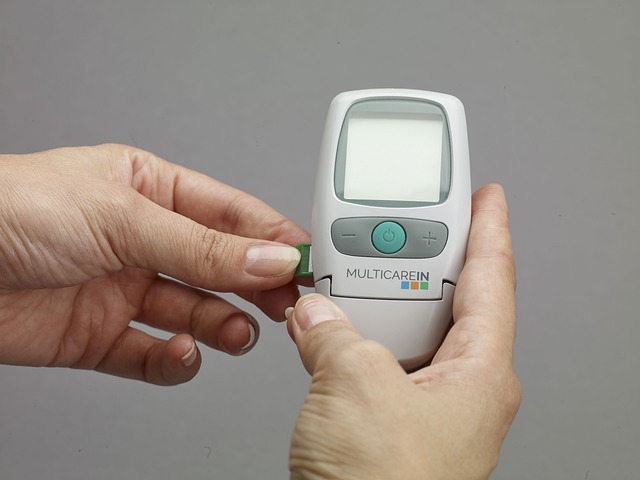
When it comes to medical device instructions, accuracy and clarity are paramount. Patients and healthcare professionals must fully comprehend how to safely and effectively use medical devices. This is where professional translation services for Medical Device Manuals UK play a critical role. Certified translations ensure that the instructions are not only accurately translated from their original language into English but also adhere to the regulatory standards required in the UK. These translations are typically provided by expert linguists with specialized knowledge in medical terminology, thereby reducing the risk of misinterpretation or error. The certification verifies that the translation is a true and exact representation of the original content, which is essential for legal compliance and patient safety. Moreover, utilizing translation services for Medical Device Manuals UK that specialize in this field guarantees that all nuances and complexities of medical language are preserved across different languages, facilitating clear communication between device manufacturers and their international user base. This level of precision is indispensable in a sector where the stakes are high and the consequences of miscommunication could be severe.
Overview of Medical Device Regulations and Translation Requirements in the UK

When navigating the medical device landscape in the UK, it is imperative for manufacturers to comply with stringent regulatory frameworks. The Medical Devices Regulation (MDR) 2017/745 and the In Vitro Diagnostic Regulation (IVDR) 2017/746, along with the associated UK regulations post-Brexit, mandate that all medical device instructions and user manuals be provided in a language that the end-user understands. This is where specialized translation services for Medical Device Manuals UK come into play. These services ensure that the safety information, operational guidance, and maintenance procedures are accurately translated to facilitate safe and effective use of medical devices by patients and healthcare professionals. The UK’s regulatory body, the Medicines and Healthcare products Regulatory Agency (MHRA), oversees these translations, ensuring they meet the necessary standards for clarity and comprehensiveness. Translators must possess a deep understanding of both the source and target languages, as well as specialized knowledge in medical devices to navigate technical terminology accurately. Thus, opting for professional translation services for Medical Device Manuals UK is not just a compliance measure but an essential step in ensuring patient safety and regulatory adherence.
The Role of Professional Translation Services in Medical Device Manuals

When medical devices are introduced to the market, particularly in diverse linguistic regions such as the UK, it is imperative that the accompanying instruction manuals are accessible and clear to all users. This is where professional translation services for Medical Device Manuals UK become indispensable. These services ensure that the critical information contained within these documents is accurately conveyed across different languages, maintaining the integrity of the instructions while catering to a multilingual audience. The translation process involves not just linguistic conversion but also cultural adaptation, a nuanced approach that professional translators are trained to handle. This adaptation ensures that the humor, idioms, and cultural references within the original text are appropriately contextualized or omitted in the target language to avoid confusion.
Furthermore, the role of certified translation services for Medical Device Manuals UK is underscored by regulatory compliance. In the UK, medical device instructions must adhere to strict guidelines set forth by bodies such as the Medicines and Healthcare products Regulatory Agency (MHRA). Translators with expertise in both medical terminology and regulatory requirements are essential to navigate this complex landscape, ensuring that every instruction is not only understandable but also compliant with local regulations. This commitment to precision and compliance is critical for manufacturers looking to expand their reach within the UK market, as it protects patients and users while facilitating safe and effective use of medical devices.
Key Considerations When Selecting a Translation Service Provider for Medical Devices
When navigating the complexities of medical device regulations, manufacturers must prioritize clear and accurate communication across all linguistic barriers. This is where specialized translation services for Medical Device Manuals UK come into play. Selecting a provider that understands both the nuances of language and the intricacies of medical device instructions is paramount. A reliable service will offer certified translations that adhere to regulatory standards, ensuring that users in the UK can comprehend safety information and operational guidelines without compromise. The chosen translation provider should have a proven track record in the medical industry, demonstrating expertise in translating medical device manuals. They must be well-versed in the Medical Device Regulation (MDR) 2017/745 and In Vitro Diagnostic Regulation (IVDR) 2017/746, as well as other relevant legislation to ensure compliance with UK regulations post-Brexit. Additionally, they must employ native speakers with specialized knowledge in the medical field to guarantee the accuracy of translations and maintain the integrity of the source material. By choosing a translation service that meets these criteria, manufacturers can safeguard patient safety and uphold their reputation for quality and reliability. It is not merely about transferring text from one language to another but ensuring that every user can make informed decisions based on precise instructions provided in their native tongue.
Navigating Language Barriers: The Impact of Effective Translations on Patient Safety

When medical devices are used across different countries, it is imperative that instructions and manuals accompanying these devices are accurately translated into the local languages. This is where specialized translation services for Medical Device Manuals UK come into play, ensuring that patients and healthcare providers receive precise information necessary for safe usage. Effective translations are not just a matter of linguistic correctness; they are a critical component in safeguarding patient safety. Incorrect translations can lead to misinterpretation of device functions, improper use, and potentially severe health consequences. The UK’s diverse population, with speakers of over 300 languages, necessitates that medical device manufacturers provide clear, certified translations. This not only complies with regulations but also ensures that all users have a similar understanding of the device’s application, maintenance, and safety features. Utilizing professional translation services for Medical Device Manuals UK is essential to navigate these language barriers effectively, thereby maintaining the integrity of patient care and adhering to ethical standards in medical practice. Accurate translations are a cornerstone in the global distribution of medical devices, ensuring that user instructions are understandable, reliable, and safe for every individual, regardless of their native language.
Steps to Obtain Certified Translations for Your Medical Device Instructions in the UK

When expanding your medical device offerings into the UK market, it is imperative to ensure that your instructions and manuals are accurately conveyed in English to comply with local regulations and cater to the needs of diverse patient populations. The Medical Device Regulation (MDR) 2017/745 mandates that user instructions for medical devices must be provided in a language that can be easily understood by users, which often necessitates professional translation services. To navigate this requirement effectively, it is essential to engage with a reputable translation service specialising in Medical Device Manuals UK. This ensures that the translations not only meet the linguistic nuances but also adhere to the stringent standards set forth for medical device documentation.
The process of obtaining certified translations for your medical device instructions involves several critical steps. Firstly, select a professional translation agency with expertise in both the target language and the regulatory requirements specific to medical devices. This agency should ideally have experience with UK-specific regulations and certification processes. Upon selecting your partner, ensure that original texts are provided for accurate and faithful translations. Next, the translation service will review the context and terminology unique to medical devices, employing industry-specific glossaries to maintain consistency and accuracy. Once translated, the documents undergo a thorough review process, which includes both in-house quality checks and, if necessary, peer reviews by experts in the field. Finally, upon successful verification, the translations will be certified, often accompanied by a signed statement attesting to the translation’s authenticity and accuracy. This certification is crucial for meeting the legal requirements set out by the UK’s Medicines and Healthcare products Regulatory Agency (MHRA) and ensuring that your medical device manuals are accessible and comprehensible to all users in the UK.
When it comes to medical device instructions, clarity and accuracy are paramount, not only for regulatory compliance but also for ensuring patient safety. The UK’s stringent medical device regulations necessitate certified translations that adhere to the highest standards. Professional translation services specialising in the medical device sector can navigate these requirements with expertise, offering solutions tailored to the UK market. Choosing the right service provider is crucial to bridge language barriers effectively and maintain compliance. By following the outlined steps for obtaining certified translations, manufacturers can confidently communicate critical information to users worldwide, thereby upholding safety and fostering trust in their medical devices. For medical device manufacturers in the UK, prioritizing certified translations through reliable translation services is an indispensable step in their commitment to quality and patient care.