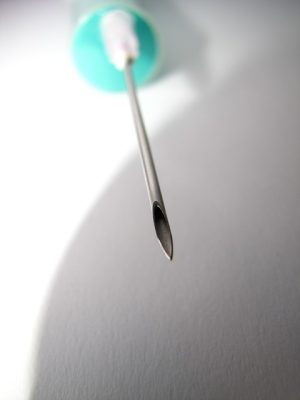
Translation services for Medical Device Manuals UK are paramount in ensuring patient safety and regulatory compliance. Accurate, culturally adapted translations of user manuals are crucial for medical devices entering the UK market, adhering to standards like the Medical Devices Regulation (MDR). Error-free translations prevent misinterpretations that could lead to improper device use and severe medical consequences. Reputable firms employing certified translators with medical expertise and utilizing advanced technologies like ML and AI offer solutions tailored to local regulations and cultural nuances, enhancing communication for healthcare professionals and ultimately improving patient care.
The accuracy of medical device manual translations is paramount for ensuring safety, regulatory compliance, and effective communication in the UK market. With a highly regulated environment and diverse language needs, translating technical documentation must be flawless to prevent costly errors and legal repercussions. This article explores the challenges and best practices for achieving high-quality translations, from understanding the importance to future trends, with a focus on enhancing safety through precise translation services for Medical Device Manuals UK.
- Understanding the Importance of Accurate Translations for Medical Device Manuals in the UK Market
- Challenges in Ensuring High-Quality Translations for Technical Documentation
- The Impact of Inaccurate Translations on Medical Device Safety and Regulation Compliance
- Best Practices for Choosing Reliable Translation Services for Medical Device Manuals
- Key Considerations for Evaluating the Accuracy of Translated Manuals
- Case Studies: Analyzing Successful Translation Projects for Medical Devices in the UK
- Future Trends and Technologies Enhancing Translation Accuracy for Medical Device Manuals
Understanding the Importance of Accurate Translations for Medical Device Manuals in the UK Market

In the highly regulated medical device industry, ensuring clear and accurate documentation is paramount. When introducing a medical device to the UK market, precise translations of user manuals are non-negotiable. Translation services for Medical Device Manuals UK must capture every detail, from technical specifications to safety instructions, to convey essential information effectively to healthcare professionals and end-users. Inaccurate or poorly translated manuals can lead to user confusion, misdiagnosis, or even severe medical consequences—a matter of life and death.
Accurate translations are crucial for navigating the UK’s stringent regulatory landscape, such as the Medical Devices Regulation (MDR). Compliance with MDR requirements hinges on providing information in a language that is accessible and understandable to the target audience. Professional translation services specializing in medical device manuals play a vital role in ensuring that these complex texts are not only accurately rendered but also culturally adapted to resonate with UK users, fostering safer and more effective product adoption.
Challenges in Ensuring High-Quality Translations for Technical Documentation

Technical documentation, especially in the medical device industry, presents unique challenges when it comes to translation services for Medical Device Manuals UK. The precision and accuracy required are paramount as even a minor misstep can have significant consequences, from regulatory compliance issues to potential patient safety hazards. Ensuring high-quality translations demands a deep understanding of both the source language and the technical terminology specific to the industry.
One of the primary hurdles is maintaining consistency in complex subject matter. Medical device manuals often contain intricate instructions, detailed specifications, and safety guidelines that must be translated accurately while preserving their integrity. Professional translators must possess expertise in medical devices or collaborate closely with subject matter experts to grasp the context fully. Additionally, keeping up with industry-specific terminology updates and ensuring the translations remain current is essential for maintaining accuracy across various product versions and revisions.
The Impact of Inaccurate Translations on Medical Device Safety and Regulation Compliance
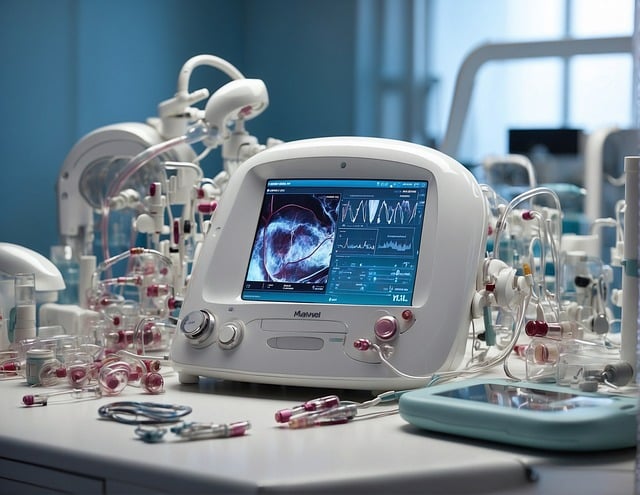
Inaccurate translations of medical device manuals can have severe consequences, especially in the stringent regulatory environment of the UK market. When critical information is miscommunicated or left out, it can lead to misinterpretations and improper use of devices, potentially compromising patient safety. Medical professionals rely on these manuals for correct device setup, operation, and troubleshooting. Any errors can result in ineffective treatment, incorrect diagnoses, and even harm to patients.
Moreover, non-compliance with regulatory requirements can ensue due to inaccurate translations. The UK has strict guidelines for medical devices, including the Medical Devices Regulation (MDR). Failure to adhere to these standards through precise and complete manual translations may lead to severe penalties for manufacturers and distributors. Translation services for medical device manuals in the UK must therefore prioritize accuracy, consistency, and an in-depth understanding of both the source and target languages and medical terminology to mitigate these risks.
Best Practices for Choosing Reliable Translation Services for Medical Device Manuals

When selecting translation services for Medical Device Manuals in the UK market, it’s crucial to uphold strict quality standards. Look for providers that employ certified translators with specialized knowledge in medical terminology and regulatory requirements, such as those adhering to the NHS or ISO guidelines. Reputable firms should also offer post-translation revisions and quality assurance checks to guarantee accuracy and consistency.
Best practices include requesting samples of previous work, verifying their translation memory (TM) and term base (TB) management systems to ensure consistent terminology use, and checking for native language proficiency. Direct communication with the translators involved in your project can also help clarify nuances and complex medical concepts, ensuring a more precise final product tailored to the UK market.
Key Considerations for Evaluating the Accuracy of Translated Manuals

When evaluating the accuracy of translated medical device manuals for the UK market, several key considerations come into play. The first is the expertise and experience of the translation service provider. It’s crucial to ensure that they have a deep understanding not just of the source language but also of technical terminology specific to medical devices. This specialized knowledge guarantees that complex information is conveyed precisely without losing its integrity.
Another vital aspect is the quality assurance process. Reputable translation services implement rigorous checks, including proofreading and editing, to catch any errors or inconsistencies. These measures are essential in a highly regulated industry like healthcare, where even minor mistakes can have severe consequences. Additionally, considering the target audience’s cultural nuances and local regulations related to medical devices ensures that the translated manual resonates well with UK consumers, making it an indispensable resource for safe and effective device usage.
Case Studies: Analyzing Successful Translation Projects for Medical Devices in the UK
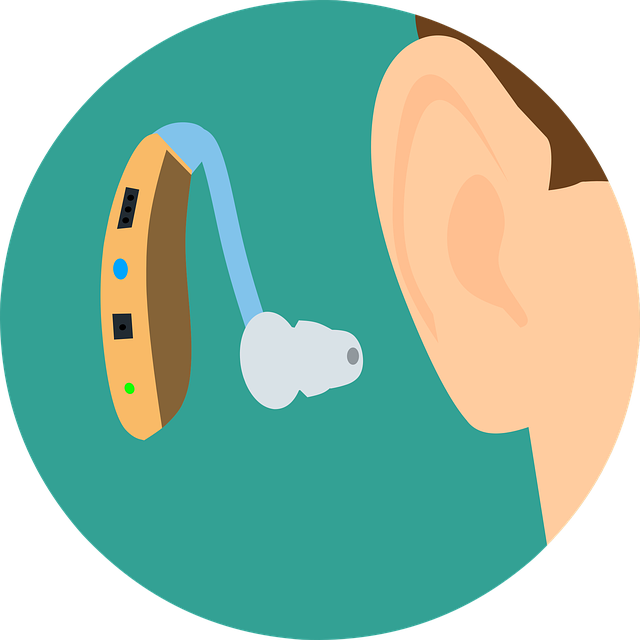
In the competitive UK market, ensuring precise and culturally relevant translations for medical device manuals is paramount. Case studies offer a compelling glimpse into the success of such projects. One notable example involves a global medical technology company that required an update of its user guides for a range of surgical instruments. The challenge lay in translating complex technical terms while adhering to UK healthcare regulations and terminology standards. A specialized translation service stepped in, employing native UK-based translators with medical device expertise. The result was a set of manuals that not only conveyed critical product information accurately but also complied with local legal requirements, ensuring patient safety and regulatory compliance.
Another successful project focused on translating an innovative medical monitoring device’s instructions for use. This required a delicate balance between technical precision and user-friendly language to cater to a diverse UK audience. The translation team conducted thorough research into UK healthcare practices and preferences, resulting in a manual that was both informative and accessible. This attention to cultural nuances and local market specifics highlights the importance of tailored translation services for medical device manuals in the UK, ensuring effective communication with healthcare professionals and ultimately enhancing patient care.
Future Trends and Technologies Enhancing Translation Accuracy for Medical Device Manuals
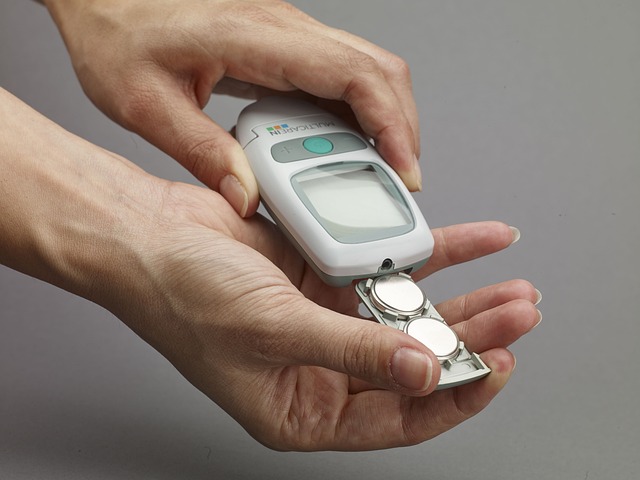
The future of translation services for Medical Device Manuals in the UK looks promising, with constant innovations enhancing accuracy and efficiency. Advanced technologies such as Machine Learning (ML) and Artificial Intelligence (AI) are transforming the landscape. These tools can now process vast amounts of data, learn from patterns, and make informed translations, significantly reducing human error. For instance, AI-powered systems can adapt to specific industry terminologies, ensuring precise and consistent translations for medical device manuals across various languages.
Additionally, the integration of Neural Machine Translation (NMT) models offers more accurate and fluent results, bridging the gap between source and target languages. This technology enables faster processing times while maintaining high precision, which is critical for technical documentation in healthcare. As these technologies continue to evolve, we can expect even greater advancements in translation accuracy, making it easier for medical device manufacturers to reach diverse global markets with confidence.
Accurate translations of medical device manuals are paramount for ensuring safety, regulatory compliance, and effective communication in the UK market. The challenges posed by technical jargon, evolving regulations, and cultural nuances require robust translation services tailored to this specific sector. By adopting best practices, evaluating translations rigorously, and leveraging future technologies, companies can ensure their manuals accurately convey critical information to healthcare professionals and patients alike, thereby enhancing device safety and regulatory standing in the UK market. Translation services for Medical Device Manuals UK must aspire to nothing less than flawless accuracy to meet these stringent demands.