
Translation services for Medical Device Manuals UK play a critical role in ensuring that healthcare instructions are accurate and culturally relevant, adhering to the nation's stringent healthcare regulations. Expert translators with specialized knowledge in both medical terminology and linguistic nuances are required to navigate the complexities of converting medical device manuals from source to target languages, while also aligning with UK regulatory frameworks like MDR and IVDR. This process includes adapting content to fit British conventions, measurements, and healthcare standards, which is integral to patient safety, operational integrity, and user comprehension. The end goal is to provide medical device manuals that are both reliable and accessible to all stakeholders in the UK market, overcoming cultural and language barriers and delivering clear, precise instructions that align with local health and safety requirements. These services are essential for maintaining trust in medical devices and ensuring effective communication between manufacturers, healthcare providers, and patients.
Navigating the complexities of medical device usage, users in the UK increasingly rely on manual translations that are both accurate and culturally relevant. This article delves into the effectiveness of these translations and their impact on user safety and compliance. We explore how professional translation services play a pivotal role in localizing medical device manuals for the UK market, highlighting challenges and solutions encountered during the translation process. Through case studies, we illustrate successful translations that have set new standards within the industry, ensuring that medical device instructions are not only understandable but also legally and practically sound for UK users.
- Assessing the Efficacy of Medical Device Manual Translations for UK Users
- The Role of Professional Translation Services in Localizing Medical Device Manuals
- Challenges and Solutions in Translating Medical Device Instructions for a UK Audience
- Case Studies: Successful Translations of Medical Device Manuals in the UK Market
Assessing the Efficacy of Medical Device Manual Translations for UK Users
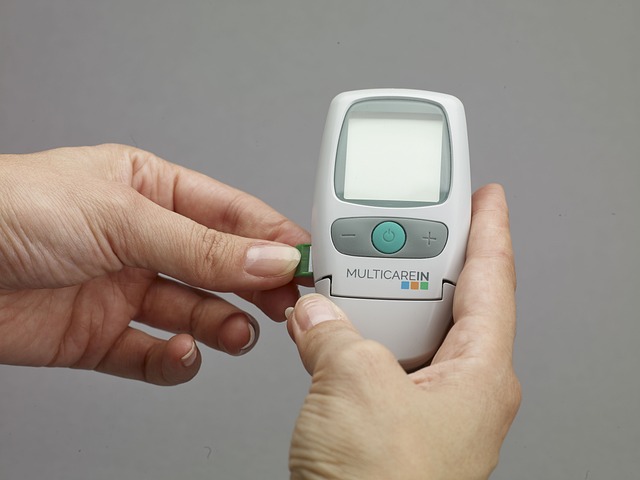
When it comes to medical device manuals, accuracy and clarity are paramount, especially in the UK where healthcare is regulated stringently. The efficacy of translation services for Medical Device Manuals in the UK hinges on not just linguistic precision but also cultural relevance and regulatory compliance. Translators must navigate the intricate details of medical terminology, procedural instructions, and safety guidelines, ensuring that each translated manual aligns with both the original intent and the local context. The UK’s specific healthcare environment necessitates translations that are not only faithful to the source material but also considerate of British regulatory frameworks, such as the Medicines and Healthcare products Regulatory Agency (MHRA) guidelines. This dual consideration is crucial for maintaining patient safety and operational integrity.
The quality of translation services for Medical Device Manuals in the UK can significantly impact user comprehension and device operation. A robust translation process must be underpinned by expert translators who are both medically knowledgeable and familiar with the target language’s nuances. These professionals should also have a comprehensive understanding of the medical devices’ technical specifications and the contexts in which they are used. This multifaceted approach ensures that translated manuals serve as reliable and understandable resources for UK healthcare providers and patients, thereby upholding the integrity and effectiveness of medical devices across the UK market.
The Role of Professional Translation Services in Localizing Medical Device Manuals

Within the UK, the accuracy and cultural relevance of medical device manuals are paramount due to the stringent regulations governing healthcare and patient safety. Professional translation services play a pivotal role in localizing medical device manuals, ensuring that instructions are not only linguistically accurate but also contextually appropriate for UK users. These specialized services employ expert translators who possess both linguistic proficiency and knowledge of medical terminology, thereby facilitating clear comprehension of the device’s use, maintenance, and safety features. The translation process is meticulous, involving not only the conversion of text from one language to another but also adapting content to align with UK conventions, units of measure, and healthcare standards. This localization is crucial for maintaining patient safety and ensuring compliance with UK regulations such as the Medical Devices Regulation (MDR) and the In Vitro Diagnostic Regulation (IVDR). By leveraging professional translation services, manufacturers can bridge cultural and linguistic barriers, thereby providing UK users with medical device manuals that are both understandable and reliable.
Challenges and Solutions in Translating Medical Device Instructions for a UK Audience
The translation of medical device instructions for a UK audience presents unique challenges that require tailored solutions to ensure accuracy, clarity, and compliance with local regulations. One of the primary hurdles is overcoming the linguistic nuances between American English, often used in the original manuals, and British English, which includes different terminology, spelling variations, and colloquial expressions. To address this, translation services for medical device manuals must employ translators with specialized expertise in both languages and a deep understanding of medical terminology. These professionals can accurately convert technical terms while maintaining the original intent and context.
Furthermore, it is imperative that these translations comply with the Medical Device Regulation (MDR) 2017/745, which sets out the obligations of manufacturers to provide instructions for use in a language that users can understand. This regulatory requirement underscores the importance of not only translating content word-for-word but also considering the user’s perspective and ensuring that the translated instructions are user-friendly and accessible. Additionally, translation services should incorporate user feedback mechanisms to continuously improve the quality and relevance of the translations. By leveraging advanced translation technologies coupled with expert human oversight, these services can deliver medical device manuals that are not only compliant but also provide UK users with clear, precise, and understandable guidance on the use of medical devices.
Case Studies: Successful Translations of Medical Device Manuals in the UK Market

The translation of medical device manuals into UK English is a critical task that demands precision and cultural sensitivity, given the life-critical nature of medical devices and the diverse patient demographics within the United Kingdom. Successful translations have been achieved through the use of specialized translation services for medical device manuals in the UK market. Notably, one case study involves a leading medical device manufacturer that partnered with a reputable translation service provider to localize their product manuals. This collaboration ensured that technical jargon and complex instructions were accurately conveyed, while also adapting the language to suit the UK’s regulatory requirements and patient care contexts. The result was a set of manuals that not only met the linguistic needs of UK users but also resonated with healthcare providers, leading to improved user comprehension and, ultimately, better patient outcomes.
Another example of successful translation services for medical device manuals in the UK is the adaptation of patient-facing documentation for a novel diabetes monitoring system. This project required not only the translation of text from the original language to UK English but also the cultural nuances that make healthcare communication effective and empathetic within the British context. The translation service provider employed subject matter experts who were both linguists and medical professionals, ensuring a seamless blend of accuracy and culturally appropriate content. This approach resulted in manuals that were not only understood by patients with diverse language backgrounds but also aligned with the UK’s high standards for patient safety and information clarity. These instances underscore the importance of expert translation services for medical device manuals in the UK, highlighting their role in facilitating safe and effective use of medical devices across the country.
In evaluating the translation of medical device manuals for UK users, it is evident that professional translation services play a pivotal role in localizing these critical documents. The challenges inherent in this task, from maintaining technical accuracy to adhering to regional regulatory standards, are significant yet surmountable. The case studies presented underscore the effectiveness of expert translators who navigate linguistic nuances and cultural contexts to ensure clarity and safety. For medical device companies operating within or expanding into the UK market, utilising top-tier translation services for medical device manuals is not just a compliance measure but a commitment to patient care and operational excellence. Consequently, the implications of robust translations are clear: they enhance user comprehension, foster trust in product use, and pave the way for successful market penetration.