
In the UK, translation services for Medical Device Manuals UK play a crucial role in ensuring that device instructions, specifications, and safety information are accurately conveyed into multiple languages while adhering to stringent regulatory standards such as those set by the Medicines and Healthcare products Regulatory Agency (MHRA) and the European Medicines Agency (EMA), including the Medical Devices Regulation (MDR) 2017/745. These specialized translation services must possess expert knowledge of both medical terminology and the complex regulatory environment to provide translations that are not only linguistically accurate but also fully compliant with UK regulations, thus safeguarding patient health by delivering clear, understandable guidance in various languages. Proficient linguists with specialized expertise in medical devices are employed to ensure that all translated content meets the high standards required for healthcare professionals and patients within the UK's diverse linguistic landscape. This involves utilizing advanced translation technology alongside rigorous quality assurance processes to maintain consistency and accuracy across translations, ensuring that medical device companies can effectively communicate essential information while remaining compliant with UK legal requirements.
navigating the complexities of the UK’s compliance standards for medical device manuals is paramount for manufacturers aiming to enter or expand within the British market. This article delves into the critical aspects of adherence, emphasizing the indispensable role of professional translation services in meeting these stringent requirements. We will explore the key regulations and best practices for translating medical device instructions accurately and clearly for a multilingual audience. Additionally, we will guide you through overcoming language barriers with expert medical device translation, ensuring your manuals are not only compliant but also user-friendly across different languages. For manufacturers looking to select a reliable translation service provider in the UK for their medical device manuals, this article is an essential read.
- Understanding UK Compliance Standards for Medical Device Manuals
- The Role of Professional Translation Services in Compliance
- Key Regulations Governing Medical Device Manual Translations in the UK
- Best Practices for Translating Medical Device Manuals for the UK Market
- Overcoming Language Barriers with Expert Medical Device Translation
- Ensuring Accuracy and Clarity in Multilingual Medical Device Instructions
- How to Select a Reliable Translation Service Provider for Medical Device Manuals in the UK
Understanding UK Compliance Standards for Medical Device Manuals
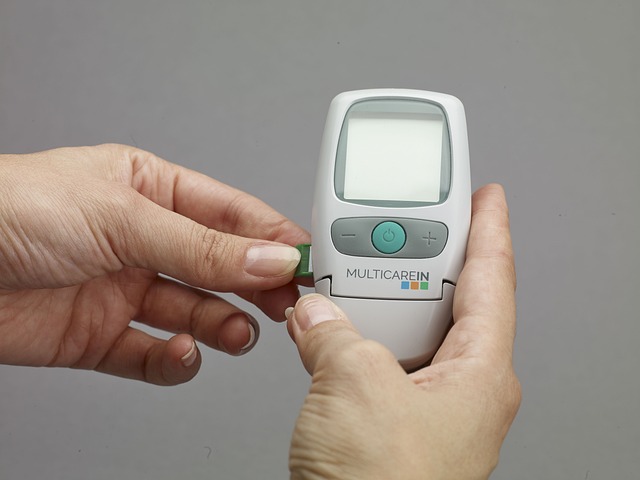
When managing medical device manuals within the UK, it is imperative to adhere strictly to the country’s compliance standards, which are designed to ensure patient safety and the efficacy of medical devices. These standards are established by various regulatory bodies, including the Medicines and Healthcare products Regulatory Agency (MHRA) and the European Medicines Agency (EMA), as well as international guidelines such as those from the International Organization for Standardization (ISO). Compliance is not a mere formality but a critical aspect of device safety, effectiveness, and performance.
To align with UK compliance standards, medical device companies often require translation services for their manuals to ensure clarity and accuracy across multiple languages, without compromising on the technical information. These translation services must be competent in both language and regulatory knowledge to provide precise translations that meet the stringent requirements set forth by the UK’s regulatory framework. Utilizing professional translation services that specialize in medical device documentation is crucial for companies looking to distribute their products within the UK market, as it guarantees that user manuals are not only understandable by a global audience but also legally compliant with the necessary regulations. This meticulous attention to detail and adherence to compliance standards is essential for safeguarding patient health and maintaining the integrity of medical devices within the UK healthcare system.
The Role of Professional Translation Services in Compliance

When navigating the complex landscape of regulatory compliance for medical device manuals in the UK, the role of professional translation services becomes paramount. These services are instrumental in ensuring that the content within medical device manuals is accurately conveyed across different languages, adhering to both linguistic nuances and legal requirements. The UK’s stringent compliance standards necessitate a deep understanding of not only the medical terminology but also the regulatory framework that governs medical devices. Professional translation services specializing in this domain possess the expertise to bridge language barriers while maintaining the integrity of technical information. This is crucial as medical device manuals must be comprehensible to users who may not have proficiency in English, thereby safeguarding patient safety and ensuring manufacturers comply with regulations like the Medical Devices Regulation (MDR) 2017/745. By leveraging the capabilities of these services, companies can produce multilingual manuals that meet the necessary compliance standards and effectively communicate instructions, specifications, and safety information to a diverse range of users across the UK.
Key Regulations Governing Medical Device Manual Translations in the UK
When managing medical device manuals in the UK, adherence to specific translation and compliance standards is paramount. Medical device manufacturers must ensure that their documentation is not only accurate but also compliant with the relevant regulations set forth by the Medicines and Healthcare products Regulatory Agency (MHRA) and the European Medicines Agency (EMA). The Medical Devices Regulation (MDR) 2017/745 and the In Vitro Diagnostic Regulation (IVDR) 2017/746 are pivotal in this context, as they outline the requirements for the content and language of medical device manuals. Translation services for Medical Device Manuals UK must be proficient in these regulations to guarantee that all translations meet the stringent standards required for device safety and efficacy. The translated manuals must convey instructions, safety information, and technical details with precision and clarity across all intended languages, particularly English and any other language prevalent within the UK’s multicultural landscape. This not only ensures patient safety but also facilitates informed use of medical devices by healthcare professionals and end-users, thereby upholding the integrity of the UK’s healthcare system. It is essential for companies to partner with translation services that specialize in the medical sector and have a deep understanding of both the language nuances and the compliance standards unique to the UK. This specialized knowledge ensures that all translations are not only linguistically correct but also compliant with the necessary legal framework, thereby safeguarding the manufacturer’s reputation and protecting patients.
Best Practices for Translating Medical Device Manuals for the UK Market

When translating medical device manuals for the UK market, adherence to compliance standards is paramount. The translation services for Medical Device Manuals UK must not only convey accurate information but also align with the stringent regulatory requirements set forth by bodies such as the Medicines and Healthcare products Regulatory Agency (MHRA) and the European Medicines Agency (EMA). To ensure compliance, translators should be proficient in both the source and target languages and have a comprehensive understanding of medical terminology. It is essential to employ native-speaking linguists who specialize in healthcare documentation to guarantee clarity and precision in the translation. Additionally, the chosen translation services for Medical Device Manuals UK should incorporate advanced translation technology that facilitates consistent use of terms, while also enabling real-time updates to reflect any changes in regulations or medical standards. This technological approach, combined with expert human oversight, ensures that the manuals are not only linguistically accurate but also technically reliable and legally compliant for distribution within the UK healthcare sector. Furthermore, maintaining a robust quality assurance process is crucial; this involves having a clear workflow, involving multiple experts who review the content against both language nuances and medical compliance requirements. By following these best practices, translation services for Medical Device Manuals UK can effectively bridge language barriers while ensuring that all critical safety and usage information is accurately conveyed to healthcare professionals and patients alike.
Overcoming Language Barriers with Expert Medical Device Translation

When navigating the complexities of medical device regulations, it’s crucial for manufacturers to ensure that their device manuals are accessible and comprehensible to all users, regardless of language barriers. The United Kingdom, with its diverse population and commitment to patient safety, mandates compliance with stringent standards set forth by entities like the Medicines and Healthcare products Regulatory Agency (MHRA). To meet these requirements, high-quality translation services for Medical Device Manuals UK are indispensable. These services not only facilitate understanding among a broad spectrum of users but also bridge the gap between manufacturers and healthcare providers across different linguistic regions. The process involves not just literal translation but also cultural adaptation to ensure that nuances in medical terminology are accurately conveyed, thereby upholding the integrity of the instructions and maintaining user safety. By leveraging expert translators with specialized knowledge in both language and medical devices, manufacturers can achieve compliance and enhance the reliability of their manuals for a global audience within the UK regulatory framework. This not only demonstrates a commitment to patient care but also aligns with legal obligations, ensuring that every user can access clear, precise, and safe operation guidelines for medical devices.
Ensuring Accuracy and Clarity in Multilingual Medical Device Instructions

When medical device manuals are distributed across the UK, it is imperative that they adhere to stringent compliance standards, ensuring accuracy and clarity in all languages. The provision of multilingual instructions is not just a courtesy but a legal necessity for manufacturers operating within the UK’s diverse linguistic landscape. To meet this requirement, translation services for Medical Device Manuals UK must be both precise and culturally sensitive, capturing the essence of the original content without losing critical medical information or safety warnings.
The process of translating medical device instructions into various languages involves a meticulous approach to maintain the integrity of the source material. This includes employing expert translators who are proficient not only in language but also in medical terminology, as well as utilising advanced translation technology that can assist in ensuring consistency and accuracy across all documents. Moreover, these translations must undergo rigorous reviews by both technical and linguistic experts to guarantee that the final instructions are both comprehensible and compliant with UK regulations, such as the Medical Devices Regulation (MDR) 2017/745, which sets out the requirements for medical devices placed on the market in the European Union.
How to Select a Reliable Translation Service Provider for Medical Device Manuals in the UK

When localizing medical device manuals for the UK market, selecting a reliable translation service provider is paramount to ensure compliance with both regulatory standards and the nuances of the language. A provider with expertise in medical terminology and familiarity with the stringent requirements set forth by the Medicines and Healthcare products Regulatory Agency (MHRA) and the European Medicines Agency (EMA) is essential. The chosen service should have a proven track record of working with medical documentation, demonstrating an understanding of the sector’s complexities and the importance of accuracy in translation. It’s crucial to verify that the provider has native linguists specializing in medical translations, ensuring that the final manuals not only adhere to UK compliance standards but also resonate with the local audience for clarity and effectiveness. Additionally, look for a service that offers project management tailored to the needs of medical device companies, including quality assurance processes and confidentiality agreements to protect sensitive information. By choosing a translation service provider with these capabilities, you can confidently navigate the complexities of entering or expanding in the UK market while maintaining compliance and ensuring your medical device manuals are accessible and understandable for healthcare professionals and patients alike.
When navigating the complexities of UK compliance standards for medical device manuals, it is imperative to engage with translation services specializing in the medical device sector within the UK. Adhering to key regulations and employing best practices ensures that every user can access clear, accurate instructions for safe and effective use. By choosing a reliable translation service provider with expertise in medical device manuals for the UK market, companies can confidently bridge language barriers, thereby enhancing patient safety and regulatory compliance. In doing so, they not only meet legal obligations but also demonstrate a commitment to global standards of excellence and accessibility. With the right support, these critical documents become a testament to a company’s dedication to quality and user care, ensuring that medical devices are both safe and beneficial to all users, regardless of language.