
Translation services for Medical Device Manuals UK are indispensable due to the stringent regulatory requirements set by agencies like the MHRA. These services ensure that user manuals for medical devices are accurately and comprehensively translated into English, maintaining the precision of safety instructions, operational protocols, and technical specifications. The translators must have a specialized knowledge of both medical and technical terminology to align with the Medical Devices Regulation (MDR) 2017/745 and the In Vitro Diagnostic Regulation (IVDR) 2017/746. A meticulous two-step translation process, involving expert review and back-translation, is employed to ensure the final content is an exact representation of the original material. This commitment to accuracy and compliance is critical for patient safety and for manufacturers to meet their obligations within the UK market. By leveraging specialized translation services for Medical Device Manuals UK, companies can effectively communicate with a diverse range of users, ensuring that all receive the necessary information in a form they can understand, thereby upholding the integrity and efficacy of medical devices available in the UK.
navaling regulatory compliance can be a complex task, especially for medical device manufacturers operating within the UK’s stringent legal framework. This article delves into the critical aspect of ensuring that device manuals align with UK regulatory requirements. We explore the essential role of precise translations in maintaining compliance, identify common language and localization challenges inherent to medical device manuals, and outline best practices for translation services within the medical device industry. Additionally, we provide actionable steps for achieving regulatory conformance during the translation process of medical device manuals. For manufacturers seeking to offer their products in the UK, partnering with a reliable translation service provider specializing in Medical Device Manuals UK is pivotal. This article serves as an essential guide for navigating these requirements and securing consumer trust through clear, accurate communication.
- Understanding UK Regulatory Requirements for Medical Device Manuals
- The Role of Accurate Translations in Compliance
- Identifying Language and Localization Challenges in Medical Device Manuals
- Best Practices for Translation Services in the Medical Device Industry
- Ensuring Regulatory Conformance: Steps for Medical Device Manual Translation
- Selecting a Reliable Translation Service Provider for Medical Device Manuals in the UK
Understanding UK Regulatory Requirements for Medical Device Manuals
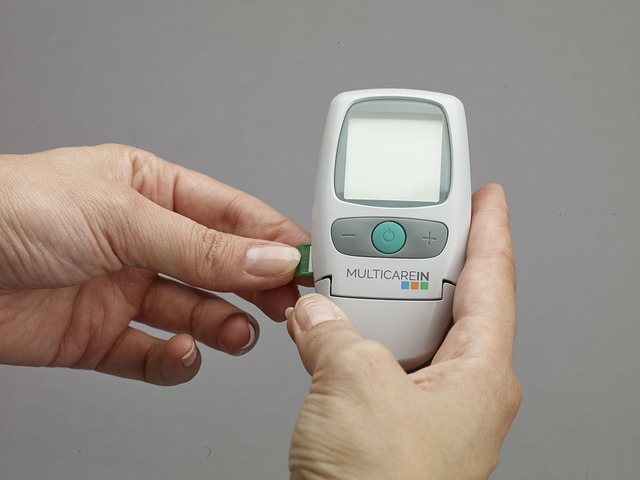
When navigating the complex landscape of regulatory compliance for medical device manuals in the UK, it is imperative to understand and adhere to the specific requirements set forth by entities such as the Medicines and Healthcare products Regulatory Agency (MHRA). These guidelines ensure that device manuals are clear, accurate, and accessible to all users, including those who require translation services for medical device manuals UK. The UK’s regulatory framework mandates that device manuals must provide comprehensive instructions on the safe use, maintenance, and handling of medical devices. This includes detailed information on proper operation, potential risks, and safety warnings, which are critical for user safety and effective device function.
The translation services for Medical Device Manuals UK must be precise to convey technical content accurately in the target language. This is not a trivial task, as it involves not only linguistic expertise but also an understanding of medical terminology and regulatory jargon. The translations must be certified and meet the same standards as the original text to ensure that all users have equivalent access to safety and instructional information. Additionally, these translations must be provided in a timely manner to comply with the market authorisation process and any subsequent updates or changes to device manuals. Adhering to these requirements is essential for manufacturers looking to distribute their medical devices within the UK market, as non-compliance can lead to legal penalties, product recalls, and a potential threat to patient safety.
The Role of Accurate Translations in Compliance

Within the United Kingdom, medical device manuals are subject to stringent regulatory requirements that ensure users can safely and effectively operate the devices. A pivotal aspect of compliance for manufacturers with a UK presence is the provision of accurate translations of these manuals. The translation services for Medical Device Manuals UK must transcend mere linguistic equivalence; they must convey the nuances of complex medical instructions, safety warnings, and technical specifications accurately. This precision is not just a matter of legality but also one of patient safety and operational efficiency.
The accuracy of translations in medical device manuals is paramount due to the diverse linguistic backgrounds of the UK population. A single misinterpreted term or missing detail could lead to misuse of the device, posing potential risks to users’ health. Therefore, translation services for Medical Device Manuals UK must be robust and reliable, leveraging expertise in both medical and technical language sectors. Employing professional translators with specialized knowledge ensures that manuals comply with the Medicines and Healthcare products Regulatory Agency (MHRA) guidelines and the European Medicines Agency (EMA) directives. This level of diligence not only adheres to UK regulatory requirements but also fosters trust in the device’s manufacturer, ultimately contributing to the safety and well-being of patients and healthcare providers.
Identifying Language and Localization Challenges in Medical Device Manuals

In the context of medical device manuals within the UK, identifying language and localization challenges is paramount to ensure compliance with both regulatory requirements and the diverse linguistic needs of users. These documents serve as critical points of communication between manufacturers and end-users, outlining safe and effective use, maintenance procedures, and safety information. Localization goes beyond mere translation; it entails adapting content to be relevant and appropriate for the specific audience, taking into account cultural nuances and regional variations in medical practice. This is where specialized translation services for Medical Device Manuals UK become indispensable. They ensure that all necessary technical terms and safety information are accurately conveyed, which is essential given the life-critical nature of medical devices. The use of professional translation services not only aids in adhering to the UK’s stringent regulatory standards set by bodies like the Medicines and Healthcare products Regulatory Agency (MHRA) but also demonstrates a commitment to patient safety and user comprehension. It is through meticulous localization that these manuals can be effectively understood by users who may not have English as their first language, thereby reducing the risk of misinterpretation or misuse of medical devices, which could have serious implications for health outcomes.
Best Practices for Translation Services in the Medical Device Industry
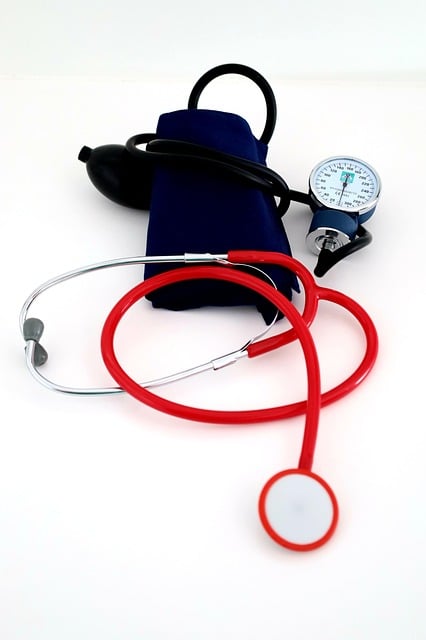
In the medical device industry, where precision and clarity are paramount, translation services for medical device manuals in the UK must adhere to stringent regulatory requirements. The UK’s Medicines and Healthcare products Regulatory Agency (MHRA) sets forth guidelines that dictate the necessary standards for translated content within medical device documentation. To ensure compliance, it is essential that translation providers specialize in the medical field and are well-versed in the relevant regulations such as the Medical Devices Regulation (MDR) 2017/745 and the In Vitro Diagnostic Regulation (IVDR) 2017/746. Best practices include employing professional translators who have specific expertise in medical terminology, contextual nuances, and regulatory jargon to accurately convey information from the original text. Additionally, these services must maintain a consistent style and tone across all translated materials, ensuring that the end-user receives information that is not only accurate but also comparable to the source document. Quality assurance processes, including peer reviews and validation checks, are critical to confirm that the translations meet both the language and regulatory requirements set forth by the UK. This commitment to excellence in translation services for medical device manuals in the UK is not just a compliance measure; it is a safeguard for patient safety and a testament to the integrity of the medical device industry.
Ensuring Regulatory Conformance: Steps for Medical Device Manual Translation

When navigating the complexities of ensuring regulatory conformance for medical device manuals in the UK, translation services play a pivotal role. Medical device manufacturers must adhere to stringent guidelines as dictated by bodies such as the Medicines and Healthcare products Regulatory Agency (MHRA). The process begins with a comprehensive understanding of the relevant regulations, including the Medical Devices Regulation (MDR) 2017/745, the In Vitro Diagnostic Regulation (IVDR) 2017/746, and the associated European Medicines Agency (EMA) or the UK’s Medicines and Healthcare products Regulatory Agency (MHRA) guidance.
To ensure compliance, it is essential to engage with professional translation services that specialize in medical device manuals for the UK market. These experts are well-versed in the nuances of language and regulatory requirements, guaranteeing that translations not only accurately convey content but also align with legal standards. The translation process must be meticulous, involving forward translations from the original language to English, followed by a contextually appropriate review by subject matter experts. Back-translation or verification by professionals fluent in both languages and familiar with medical terminology is then critical to ensure that the translated content retains its intended meaning. This rigorous approach helps maintain the integrity of the information and ensures that the end-user has access to clear, accurate, and compliant medical device instructions, facilitating safe and effective use of the devices in the UK.
Selecting a Reliable Translation Service Provider for Medical Device Manuals in the UK

Navigating the complexities of regulatory compliance, medical device companies in the UK must ensure that their device manuals are accessible and understandable to users across different linguistic boundaries. A key component of this is selecting a reliable translation service provider that specialises in the nuanced field of medical devices. The chosen provider should not only be adept at handling technical terminology but also well-versed with the specific regulatory requirements set forth by the Medicines and Healthcare products Regulatory Agency (MHRA) and the European Medicines Agency (EMA), as applicable. It is crucial to opt for a translation service that offers industry-specific expertise, guaranteeing accuracy in both content and regulatory compliance. The provider should have a proven track record of working with medical device manuals in the UK, ensuring that all translations are consistent with the original text’s intent and meet the stringent standards required by law. This involves not only linguistic precision but also a deep understanding of the medical device market in the UK, including cultural nuances and regulatory expectations. By adhering to these criteria, companies can confidently comply with UK regulatory requirements and effectively communicate with their diverse user base.
In conclusion, navigating the complex landscape of UK regulatory requirements for medical device manuals is a critical task that demands precision and adherence to established standards. The article has underscored the importance of accurate translations in upholding compliance, highlighting potential language and localization challenges inherent in medical device manuals. By following best practices for translation services within the medical device industry, companies can ensure their documentation meets all necessary regulatory specifications. For organizations operating in the UK, leveraging a reliable translation service provider specialized in medical device manuals is not just an operational necessity but a key step in safeguarding patient safety and ensuring market access. Adhering to these guidelines will help medical device manufacturers bridge the gap between technical content and user comprehension, ultimately fostering trust and reliability in their products across the UK market.