
Translation services for Medical Device Manuals UK are crucial for ensuring user safety in a multicultural healthcare landscape. Accurate, culturally sensitive translations of device manuals prevent misunderstandings and errors, adhering to local regulations. Professional translators skilled in medical terminology and diverse languages minimize risks, improve patient outcomes, and foster trust in medical devices. Early integration of these services during product development, coupled with best practices like using translation memory tools and consistent terminological databases, is essential for global accessibility and regulatory compliance.
In the global medical device market, clear communication is paramount for user safety. Translation plays a vital role in ensuring that complex instructions and critical information in device manuals are accessible to diverse users worldwide. This article explores how translation services enhance global accessibility for medical devices in the UK market, focusing on improving user safety. We delve into key strategies, case studies, and best practices to highlight the significance of accurate, consistent terminology in translating medical device literature.
- Understanding the Importance of Clear Communication in Medical Device Manuals
- The Role of Translation Services in Ensuring Global Accessibility
- Enhancing User Safety through Accurate and Consistent Terminology
- Case Studies: Success Stories of Translation in Medical Device Literature
- Best Practices for Integrating Translation into Medical Device Development Processes
Understanding the Importance of Clear Communication in Medical Device Manuals
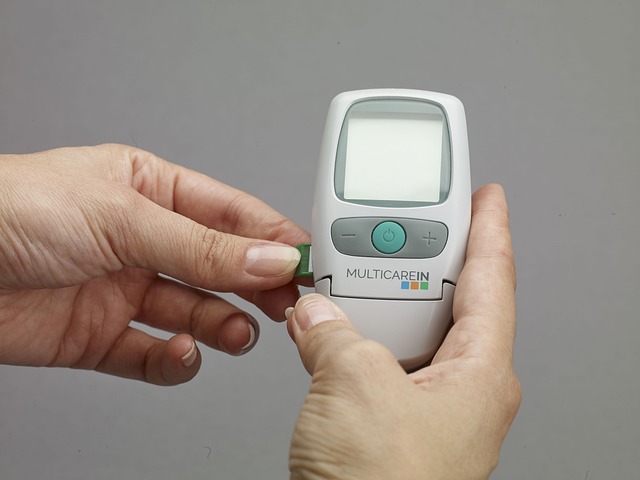
In the medical field, clear and concise communication is paramount, especially when it comes to device manuals. These documents serve as a vital link between manufacturers and users, ensuring safe and effective use of medical devices. For multilingual markets, such as the UK, where diverse languages are spoken, translation services for medical device manuals become indispensable. Accurate translations ensure that instructions, warnings, and potential hazards are conveyed effectively, minimizing the risk of user error or misunderstanding.
When a manual is translated professionally, it not only ensures grammatical correctness but also cultural appropriateness. Medical terminology must be rendered accurately into the target language, preserving the intended meaning and ensuring compliance with local regulations. Quality translation services for medical device manuals in the UK play a crucial role in enhancing user safety by providing clear instructions that are accessible to a broader audience, thereby fostering informed decision-making and responsible device utilization.
The Role of Translation Services in Ensuring Global Accessibility

Translation plays a pivotal role in making device manuals accessible globally, especially in the medical field. With an increasing number of medical devices being manufactured and marketed worldwide, ensuring that user manuals are available in multiple languages is crucial for user safety. Medical professionals and patients alike should be able to understand and follow instructions without language barriers.
In the UK, translation services specializing in medical device manuals have become essential to bridge this gap. These services employ professional translators with expertise in both the source and target languages, ensuring precise and culturally sensitive translations. Accurate translation not only helps avoid potential hazards due to incorrect assembly or usage but also enhances overall user experience, fostering a safer and more inclusive environment for all device users globally.
Enhancing User Safety through Accurate and Consistent Terminology

Accurate and consistent terminology is paramount in medical device manuals to ensure user safety. Mistranslations or inconsistent terms can lead to dangerous misunderstandings, incorrect use, or even malinterpretation of critical safety features. Translation services for Medical Device Manuals UK must employ highly skilled linguists with expertise in both the source and target languages, as well as a deep understanding of medical terminology. This ensures that safety instructions, warning labels, and descriptions of potential risks are conveyed accurately and unambiguously to users from diverse linguistic backgrounds.
By prioritizing precise and uniform language throughout device manuals, manufacturers can minimize the risk of errors and enhance user trust. Well-translated manuals provide clear guidance, enabling users to operate devices safely and effectively, ultimately contributing to improved patient outcomes and reduced liability for medical equipment manufacturers.
Case Studies: Success Stories of Translation in Medical Device Literature

In recent years, case studies have shown that translation plays a pivotal role in enhancing user safety for medical devices. Accurate and culturally sensitive manuals are essential, especially as healthcare technologies become increasingly globalized. For instance, a UK-based medical device manufacturer faced challenges when expanding into European markets. They required precise translations of their user guides to ensure compliance with regional regulations and to provide clear instructions for diverse user groups. Engaging professional translation services specializing in medical literature resulted in successful outcomes. The translated manuals met all the necessary standards, allowing for smoother market entry and improved patient safety.
These success stories highlight the importance of high-quality translation services for medical device manuals in the UK. By incorporating local languages and cultural nuances, users from diverse backgrounds can better understand and utilize the devices safely. This is crucial as medical technology continues to advance, with global collaboration fostering innovation while ensuring user safety remains a top priority.
Best Practices for Integrating Translation into Medical Device Development Processes
When developing medical devices, integrating translation services for device manuals is crucial to ensuring user safety and regulatory compliance. Best practices involve engaging professional translators with medical expertise to accurately convey complex information in target languages. This collaborative process should start early in product development, allowing sufficient time for thorough review and quality assurance of translated content.
Using translation memory tools and maintaining a consistent terminological database across all languages helps preserve consistency and efficiency. Regular feedback loops involving medical experts and translators are essential for refining translations and addressing any ambiguities or culturally specific considerations unique to each target market. Ultimately, high-quality translations enhance user understanding, foster device acceptance, and contribute to better patient outcomes.
Translation plays a pivotal role in enhancing user safety for medical device manuals, ensuring clear communication and global accessibility. By leveraging professional translation services, manufacturers can create consistent, accurate, and culturally relevant documentation that caters to diverse linguistic needs. This not only facilitates better patient care but also aligns with regulatory requirements, making it essential for any medical device company looking to thrive in the international market, especially when considering translation services for Medical Device Manuals UK.